
Twice-yearly cleanings and exams: the foundation of pediatric dental health
A six-month checkup catches cavities when they are tiny, removes the plaque and tartar that home brushing cannot reach, and builds the lifelong relationship with dental care that determines a child's adult oral health.
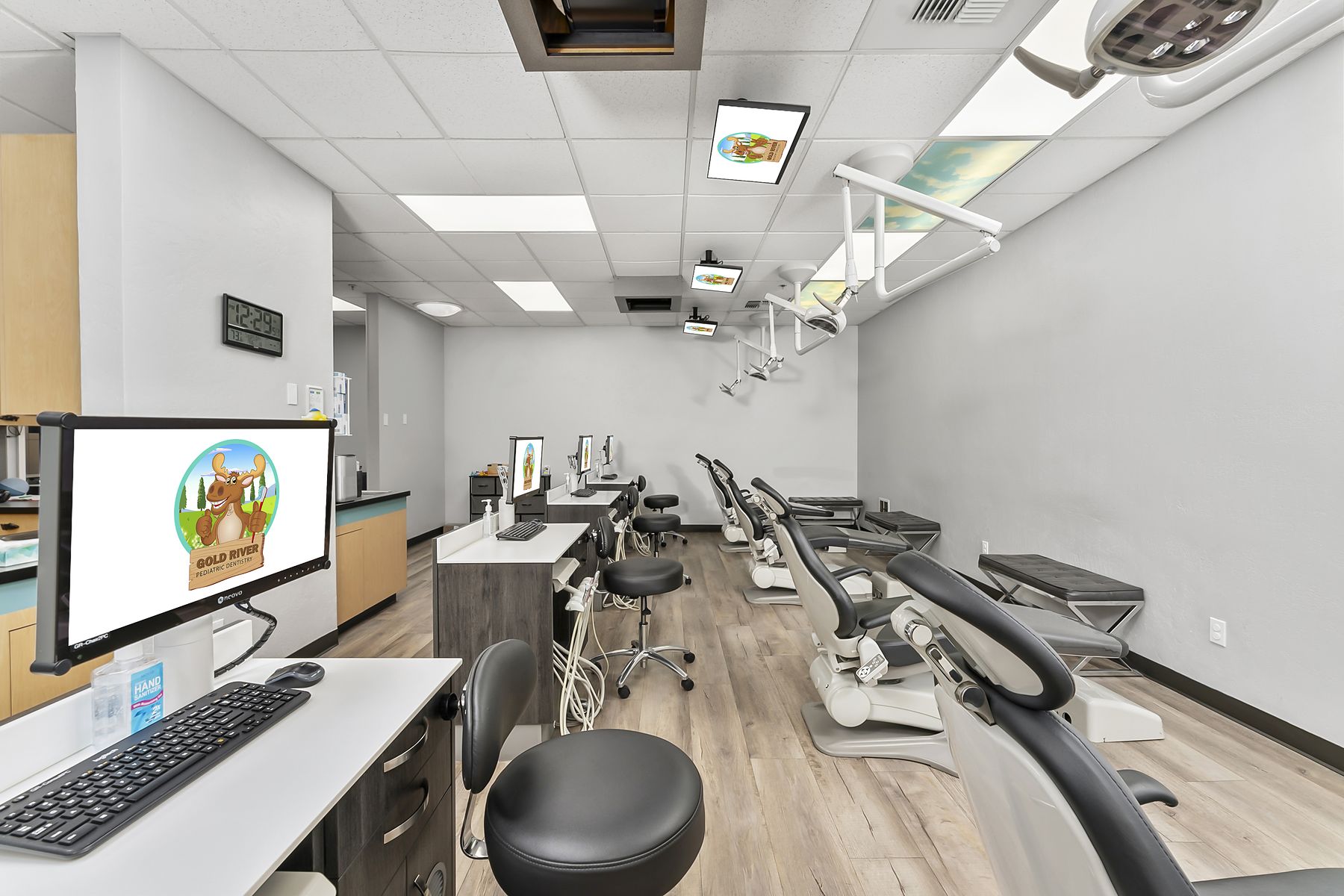
The components of a pediatric dental visit
A standard pediatric cleaning and exam includes several distinct components. They look like a single appointment because they happen quickly and gently, but each addresses a different aspect of dental health.
The first is the cleaning itself, called prophylaxis. A hygienist or dentist removes plaque and tartar from the tooth surfaces and along the gumline. For young children, this is often done with a soft polishing cup and prophy paste rather than the metal scaler used for adults. For older children with established tartar, a hand scaler may be used gently in specific areas.
The second is fluoride treatment, typically applied as a varnish at the end of the cleaning. This is included for most cavity-risk children.
The third is the exam. The dentist looks at every tooth surface, checks the soft tissues for any abnormalities, evaluates the bite, looks for signs of decay, and screens for the early markers of orthodontic concerns or developmental issues.
The fourth is x-rays when indicated. Most children get bitewing x-rays once a year to check for cavities between the teeth, and panoramic x-rays every few years to evaluate eruption patterns and the developing jaw. Frequency varies by individual risk.
The fifth is the conversation. Parents ask questions about brushing technique, dietary concerns, thumb-sucking, sports mouthguards, orthodontic timing, and a hundred other topics. A good pediatric exam includes time for this conversation because the home routine is where the bulk of pediatric dental health is determined.
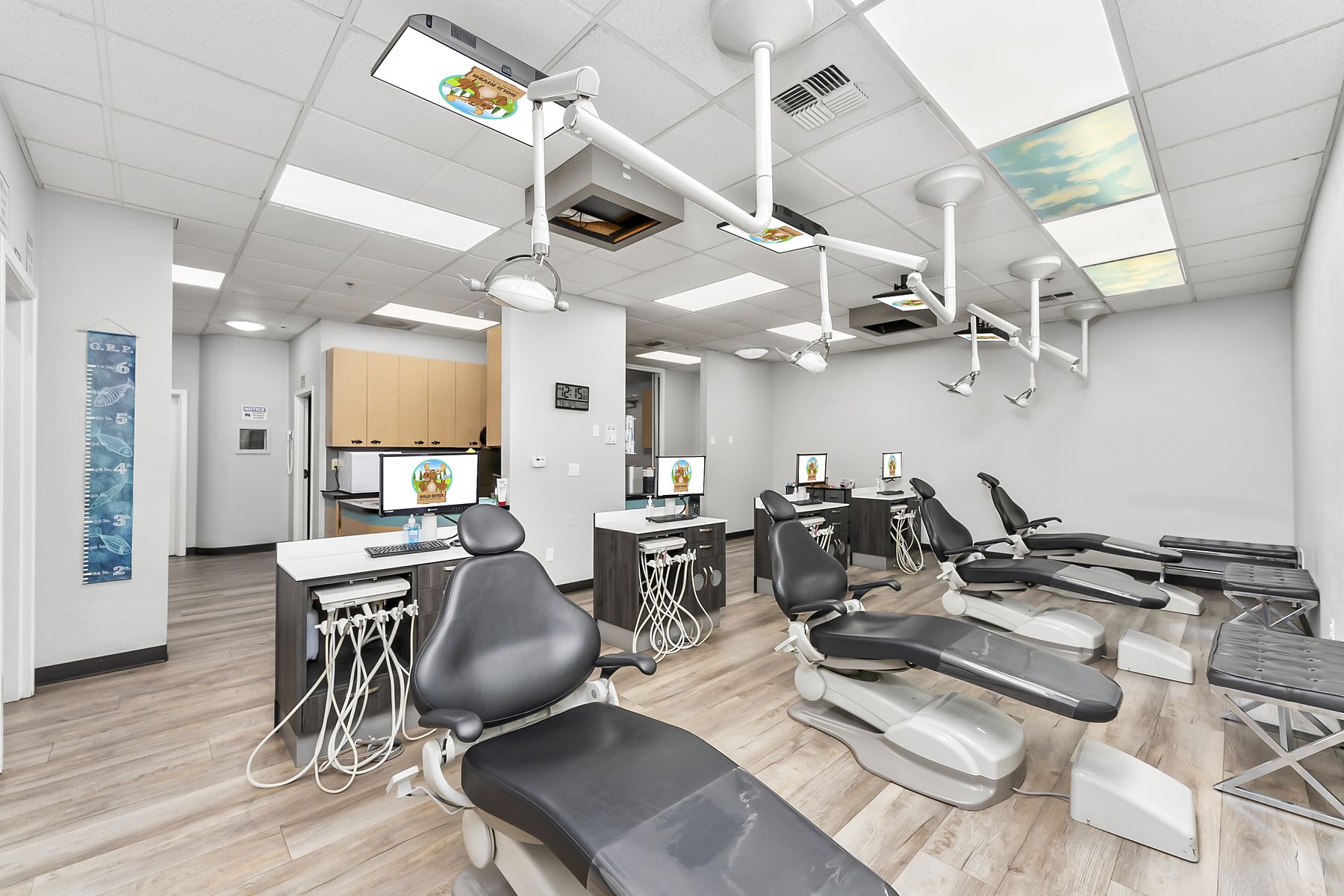
How often a child should see the dentist
The American Academy of Pediatric Dentistry recommends a dental exam every six months from the time the first tooth erupts (typically around six months of age) through adulthood. The cadence reflects the speed at which dental disease progresses in children versus adults.
Children's dental development is fast. Cavities can go from invisible to substantial within a few months in a high-risk mouth. Early-childhood caries can spread between teeth quickly. Eruption patterns shift rapidly as primary teeth fall out and permanent teeth come in. Six months is short enough to catch problems early and still long enough between appointments to be practical.
Some children with low cavity risk and stable home routines may stretch to nine or twelve months. Some children with high cavity risk, recent restorative work, or developmental concerns benefit from three or four month intervals. We adjust the cadence based on individual risk.
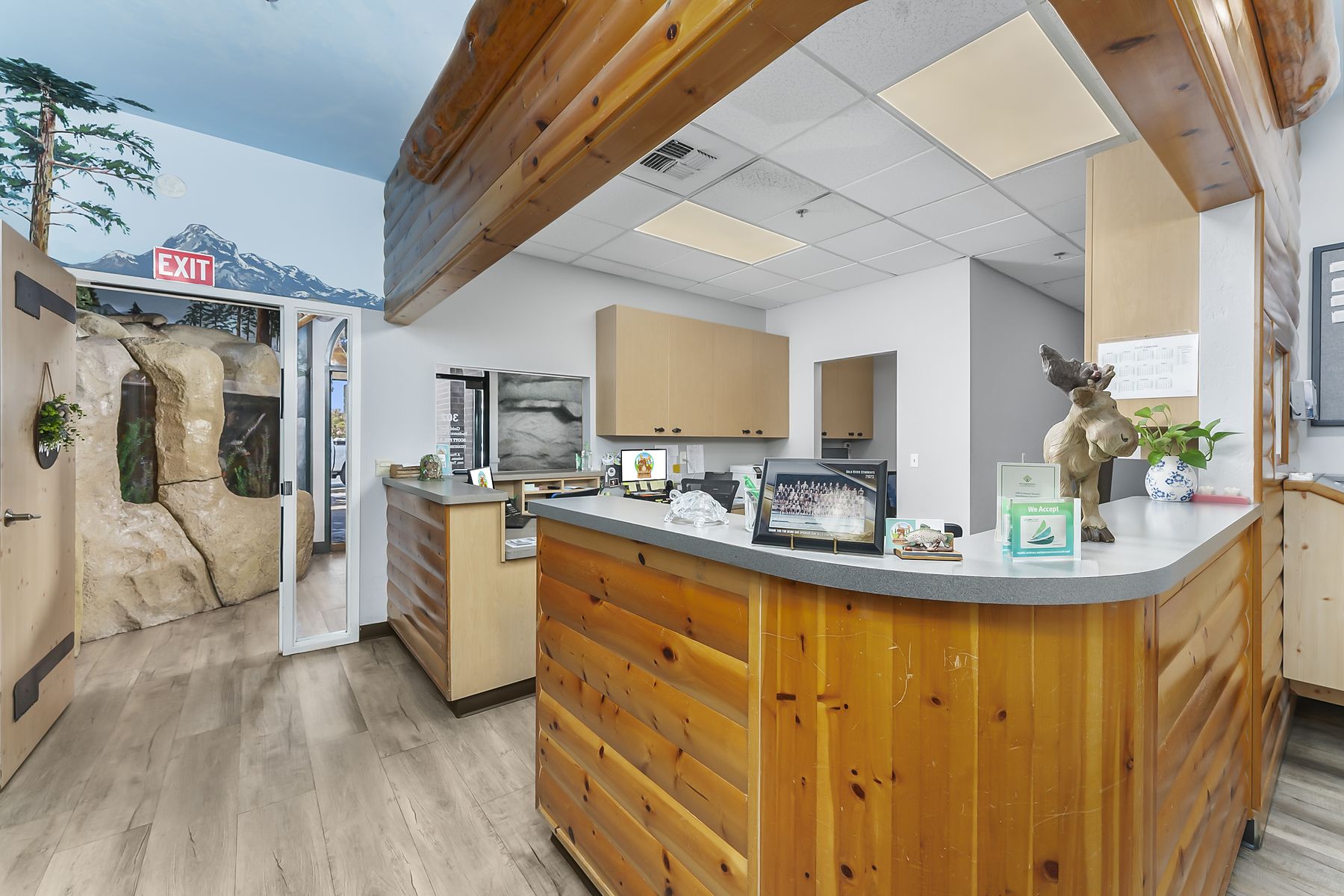
When the first dental visit should happen
The American Academy of Pediatric Dentistry has recommended a first dental visit by age one or within six months of the first tooth's eruption since the late 1990s. The reasoning: early detection of risk factors, early home-care education for parents, and early relationship-building with the dentist's office reduces the rate of dental problems by the time the child enters school.
The age-one visit looks different from a routine adult cleaning. The child often sits on the parent's lap (a position called knee-to-knee) while the dentist looks at the few teeth that have come in, evaluates the soft tissues, checks for early signs of decay, and discusses brushing, feeding, fluoride, and pacifier or thumb habits.
Most age-one visits take fifteen to twenty minutes. The child cries some of the time. That is normal and expected, and we work efficiently to get the exam done while the child is most cooperative.
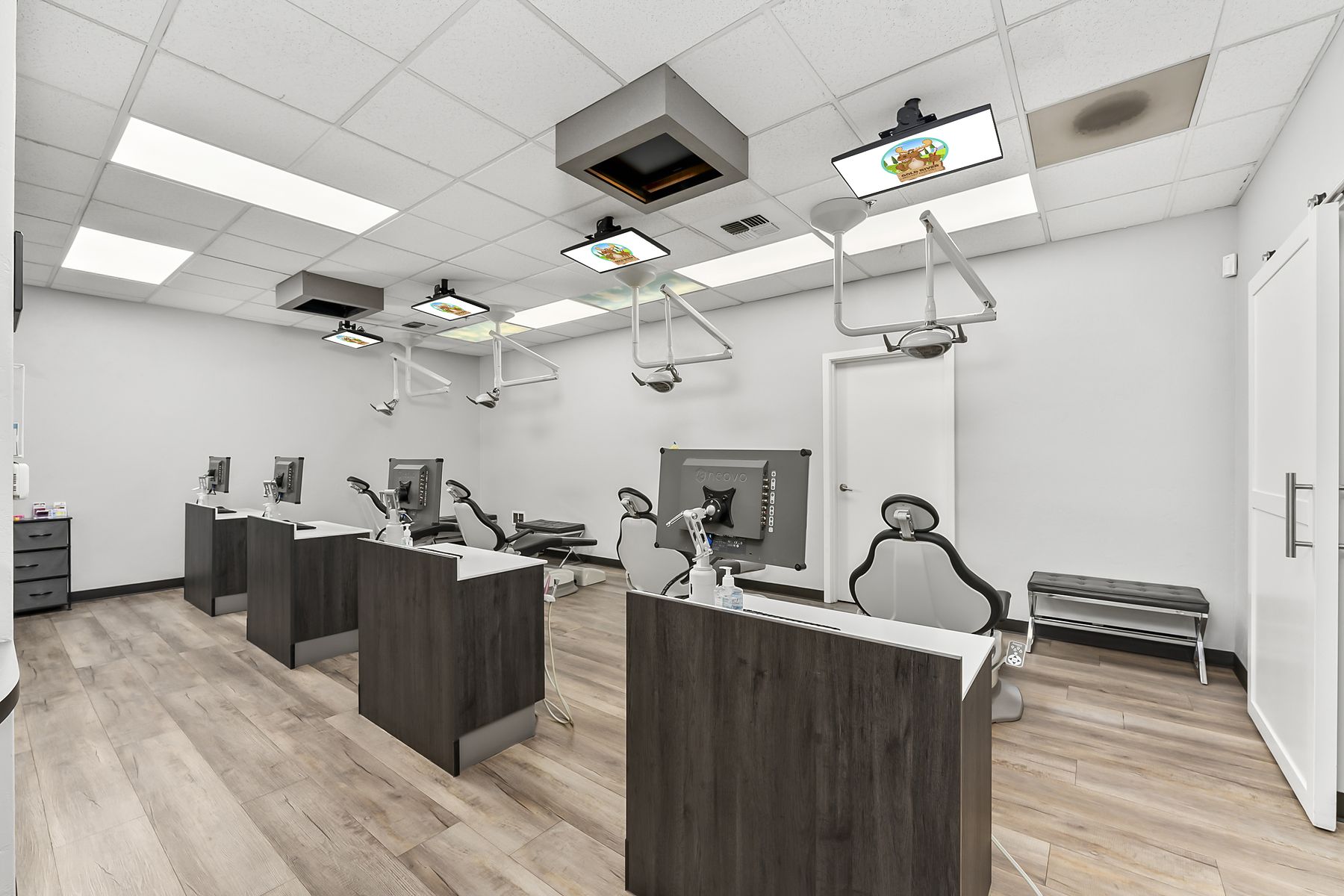
Helping kids through their first cleanings
Some children walk into the dental office happy and curious. Others arrive nervous, scared, or in tears. Both are normal, and our approach changes based on the child.
For nervous children, the standard approach is tell-show-do: we tell the child what we are going to do in age-appropriate words, we show them the tools and let them touch the safe ones, and then we do the procedure with no surprises. This works for the majority of children once they have had a few visits and the office becomes familiar.
For children with high anxiety, we may slow down the pace, schedule shorter appointments, do desensitization-style visits where we just look but do not clean, and gradually build up to a full cleaning over multiple appointments. This patience pays off long-term in a child who grows up comfortable at the dentist rather than dreading it.
For children whose anxiety, behavior, or special needs make standard treatment infeasible, we offer nitrous oxide for mild relaxation or IV sedation for full procedure tolerance.
Cleaning and exam questions
How often should my child have a cleaning?
Every six months for most children. We adjust based on individual cavity risk.
When should I bring my child for the first time?
By age one or within six months of the first tooth, whichever comes first. The American Academy of Pediatric Dentistry recommends this standard.
Are x-rays safe for young children?
Yes when used appropriately. We use digital x-rays which deliver substantially less radiation than film, lead aprons and thyroid collars, and we only take x-rays at intervals indicated by individual risk, not at every visit.
My child cries the whole time. Is that a problem?
No. Crying at the first few visits is normal, especially for toddlers. We work efficiently and gently, and most children become more comfortable over the next two to three visits as the office becomes familiar.
What insurance plans do you accept?
We accept most major dental plans as in-network or out-of-network. Call (916) 638-8778 with your specific insurance to verify benefits.
Do you offer Spanish-language support?
Yes. Forms are available in Spanish and our team includes Spanish-speaking staff. Call ahead to confirm availability for your appointment.
Does my child need fluoride at every cleaning?
Most cavity-risk children benefit from fluoride at every six-month visit. We may skip it for low-risk children. Each visit is individualized.
Time for your child's next visit?
Call (916) 638-8778 or book online. We will verify your insurance and find a time that works.