
Pediatric tooth extractions: when removal is the right answer
Sometimes a tooth cannot be saved or needs to come out for orthodontic preparation. We perform gentle pediatric extractions with appropriate behavior management, sedation when needed, and a clear plan for what comes next.
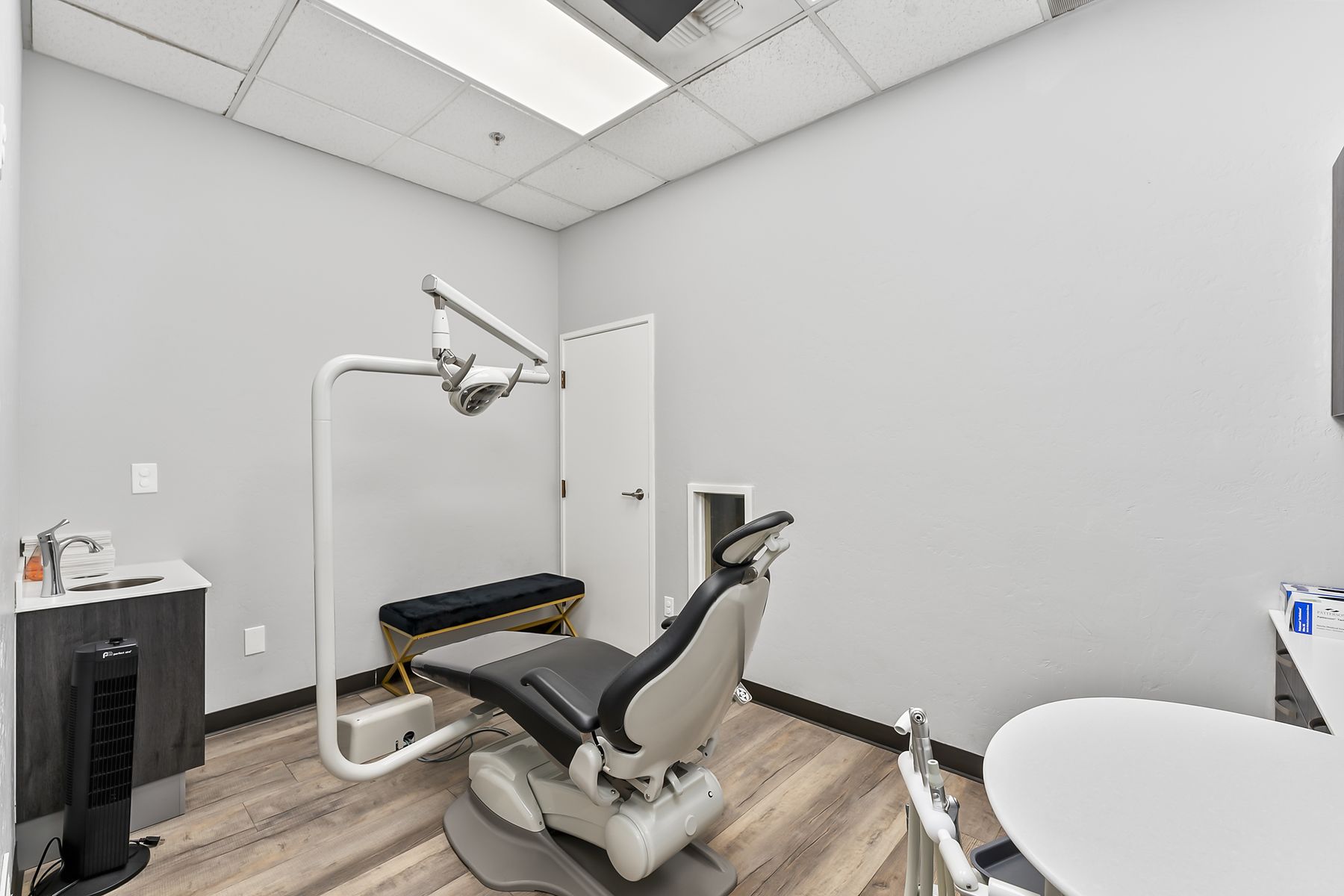
Reasons a child might need an extraction
Tooth extraction in children is the last resort for restorable teeth, but the right answer for several specific situations.
The most common scenario is a primary tooth too damaged to save. Severe decay that has caused root resorption, abscesses that have not responded to pulp therapy, fractures through the root, or teeth that are loose and infected: in these cases, removal is the right answer because saving the tooth is no longer possible.
The second scenario is orthodontic preparation. Some children have crowding so significant that an orthodontist will request the removal of one or more teeth to make room for proper alignment. The teeth chosen are typically primary teeth that are blocking permanent eruption, persistent primary teeth that have not exfoliated naturally, or in some cases premolars in a severe-crowding case.
The third scenario is impacted or supernumerary (extra) teeth that are interfering with eruption of permanent teeth. These typically need removal so the developing permanent tooth can erupt normally.
The fourth scenario, less common, is a primary tooth that has been damaged by trauma to the point that restoration is not possible.

What happens during the appointment
- The tooth and surrounding gum are anesthetized with local anesthetic. For very anxious children or complex extractions, IV sedation may be appropriate.
- The tooth is gently loosened from the surrounding bone using specialized instruments. For primary teeth that are already mobile, this is often quick. For teeth with intact root structure, more work is required.
- The tooth is removed.
- The socket is checked for any remaining root fragments and the area is gently cleaned.
- Gauze is placed over the socket and the child bites down to control bleeding.
- A space maintainer is placed if appropriate (see next section).
For most simple extractions in cooperative children, the appointment is twenty to forty minutes. For multi-tooth extractions or for children needing IV sedation, the appointment is longer.
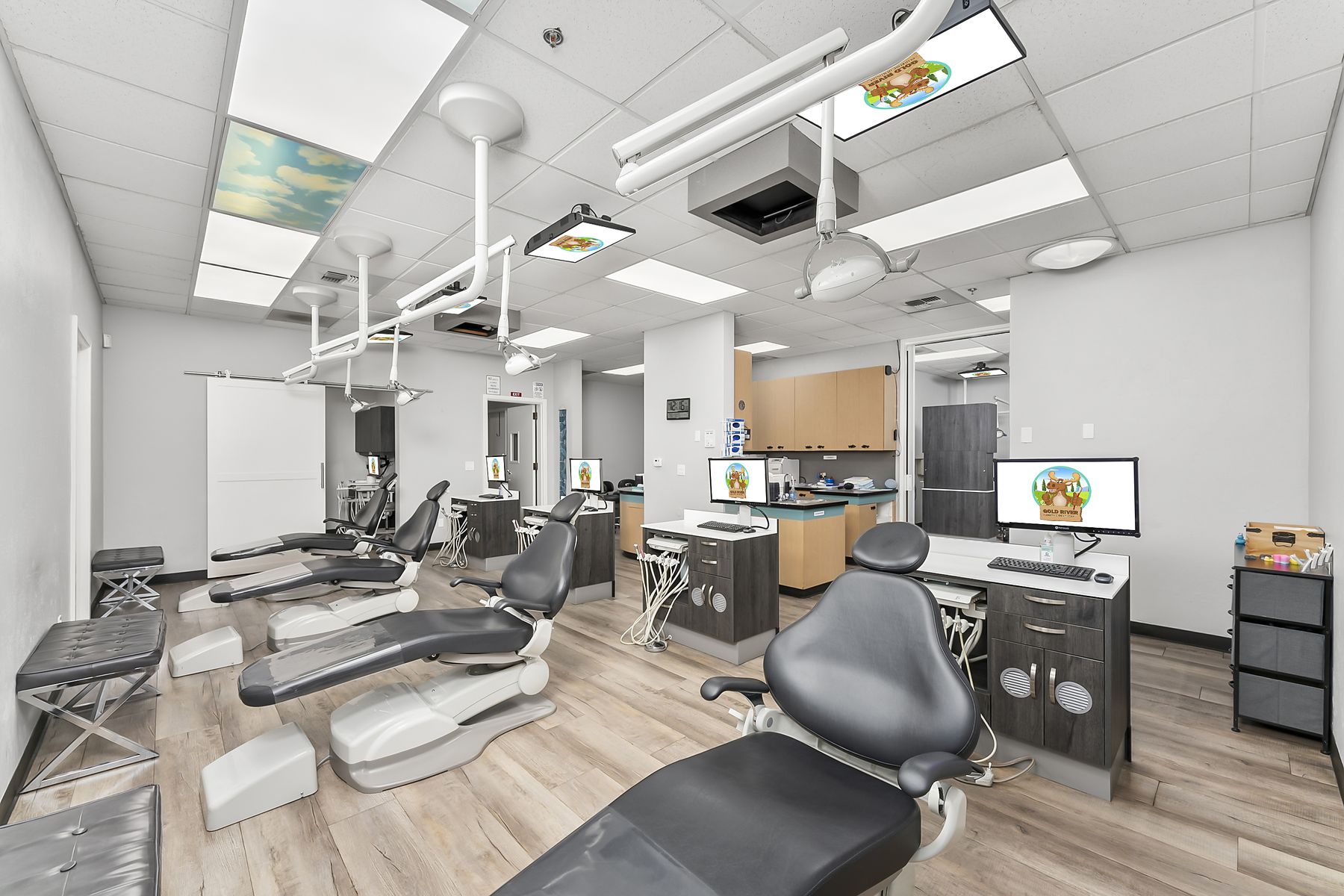
Why some extractions need a space maintainer
When a primary molar is extracted before the permanent tooth is ready to erupt, the surrounding teeth tend to drift into the empty space. Without intervention, this drifting causes inadequate room for the permanent tooth, leading to crowding, impaction, or orthodontic problems that require correction later.
A space maintainer is a custom appliance that holds the empty space until the permanent tooth comes in. It is typically a stainless steel band cemented to a tooth on one side of the gap, with a wire or loop extending across the gap to maintain the space.
Whether a space maintainer is needed depends on which tooth was extracted, how much time remains until the permanent tooth erupts, and the child's overall arch space. We make the recommendation at the extraction visit and place the appliance either at the same visit or shortly after.
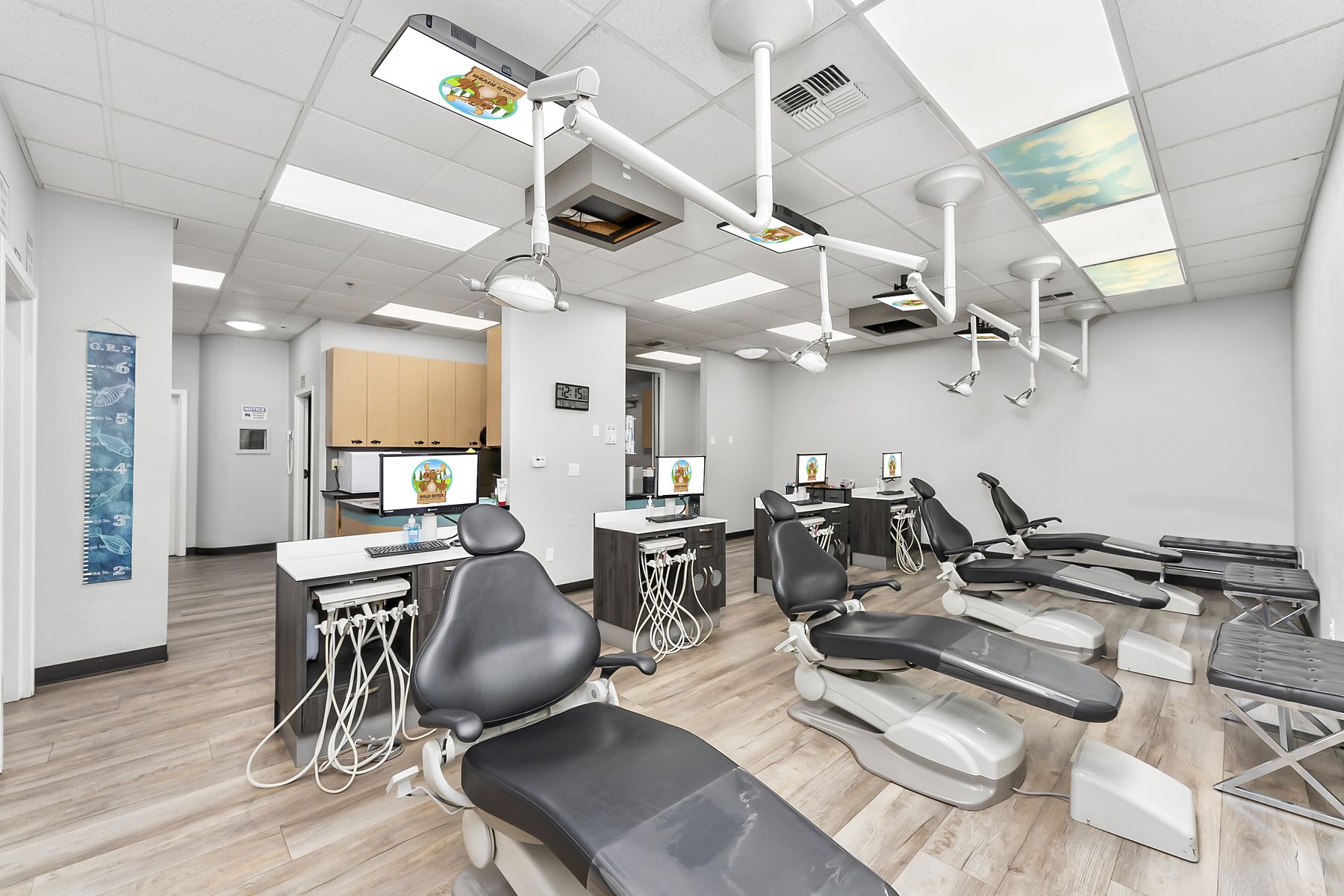
Recovery after a pediatric extraction
The first twenty-four hours: bite firmly on gauze for the first thirty minutes to control bleeding. Avoid vigorous rinsing, drinking through a straw, or eating crunchy or hot foods for the first day. The bite-down instinct that follows local anesthesia means parents should also watch for lip and cheek biting in the first hour or two until the numbness wears off.
Days two through five: soft foods, gentle brushing around the extraction site avoiding the socket itself, and no swimming or strenuous activity for the first day or two. Some swelling is normal; if it increases beyond day three, call us.
Most children are back to normal activity within two to three days. The socket fills in with new tissue over the following weeks. Pain is typically mild and responds to age-appropriate ibuprofen.
Extraction questions parents ask
Will the extraction hurt my child?
Local anesthetic numbs the area completely during the procedure. Some pressure is normal, but pain should not be. After the appointment, mild discomfort is typical and responds to ibuprofen.
Will my child need IV sedation?
Most simple extractions in cooperative children are done with local anesthetic and behavioral support. IV sedation is appropriate for very anxious children, multi-tooth extractions, or special-needs patients.
Why does my child need a space maintainer?
When a primary tooth is extracted before its permanent replacement is ready, the surrounding teeth can drift into the space, causing crowding for the permanent tooth. A space maintainer holds the gap open.
Will my child be able to eat afterward?
Soft foods for the first day or two. Avoid hot, crunchy, or hard foods, and no straws.
How long does the extraction take?
Twenty to forty minutes for a simple single extraction. Longer for multi-tooth or complex cases.
Is an extraction the same as wisdom teeth removal?
Wisdom teeth removal is a specific oral surgery procedure, typically referred to an oral surgeon. We perform pediatric extractions for primary teeth and certain permanent teeth, but most wisdom teeth cases get referred.
My child's orthodontist said to extract teeth before braces. Why?
When a child has severe crowding, removing select teeth makes room for the remaining teeth to align properly. The orthodontist plans the extractions and we perform them.
Need an extraction consultation?
Call (916) 638-8778 to schedule. We coordinate with orthodontists for pre-treatment extractions.