
Nitrous oxide: gentle relaxation for anxious children
A mild inhaled sedation that takes the edge off dental anxiety while keeping the child fully awake, responsive, and able to leave the office shortly after the procedure ends. Often the right choice for moderately anxious children or longer procedures.
How nitrous oxide works in pediatric dentistry
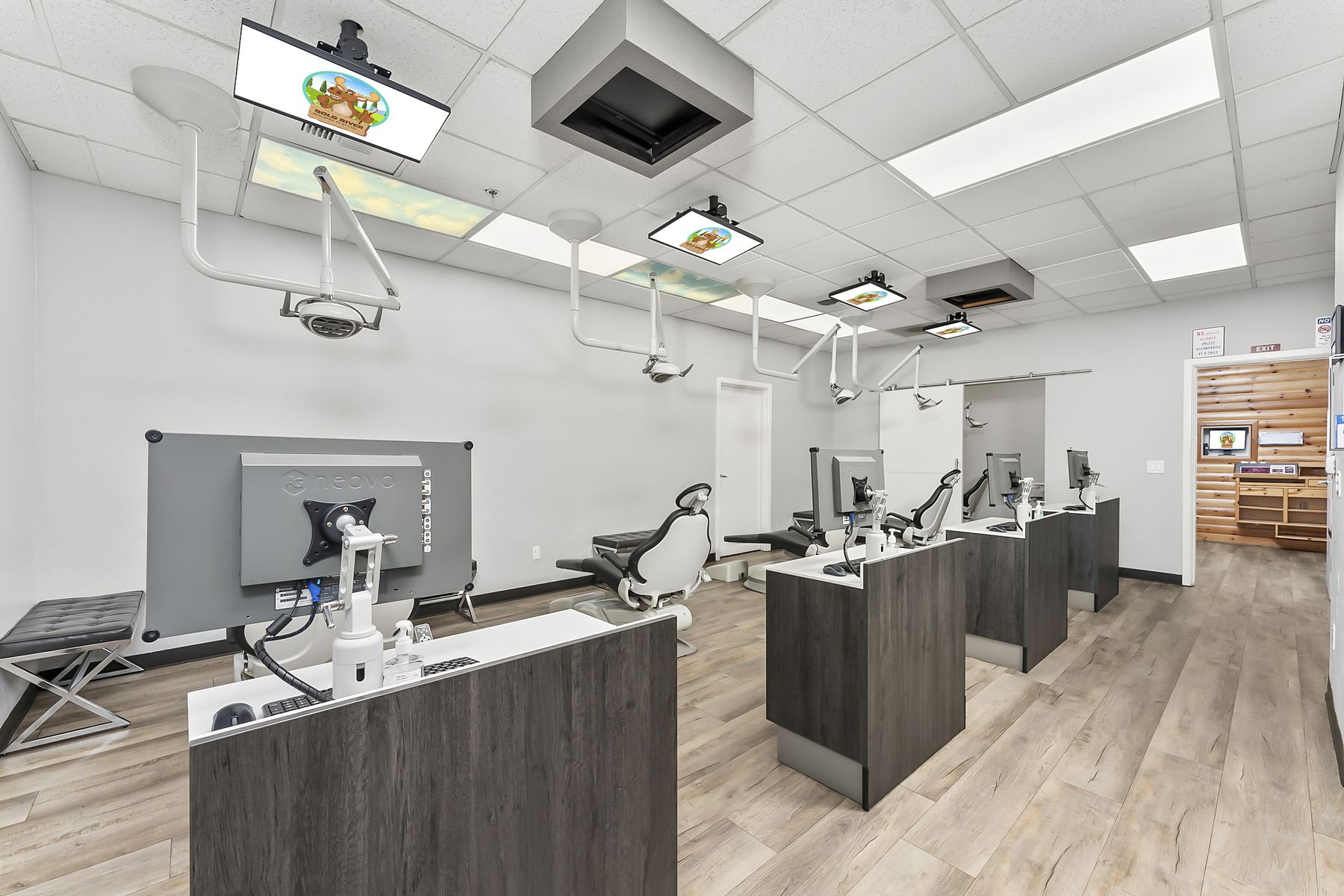
Nitrous oxide, often called laughing gas, is an inhaled sedative gas that produces mild relaxation and a sense of calm without putting the child to sleep. It has been used in dentistry since the 1840s and is one of the most well-studied sedation options available, particularly for pediatric patients.
In our office, nitrous oxide is delivered through a small nose mask connected to a machine that mixes the gas with oxygen at controlled concentrations. The gas takes effect within a few minutes, the child remains fully awake and able to follow instructions, and the effects wear off within minutes after the mask is removed and the child breathes pure oxygen.
The benefits for anxious children are real: the sense of calm helps the child tolerate the procedure, the relief is genuine but mild, and there are no lingering effects after the appointment. The child can return to school or normal activity the same day.
Children who benefit most from nitrous oxide
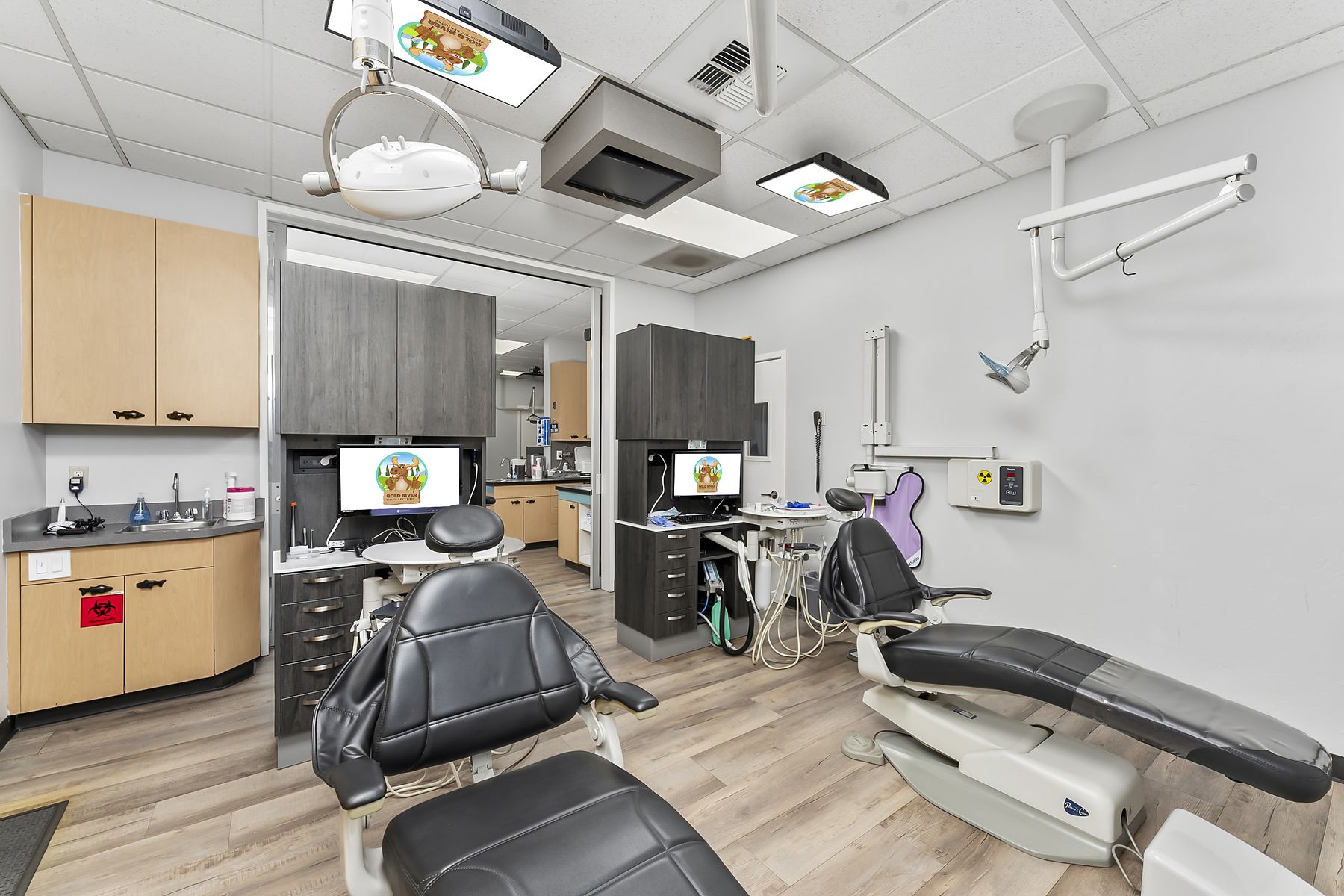
Nitrous oxide is appropriate for children who have mild to moderate dental anxiety, who need a longer or more complex procedure than they would normally tolerate awake, or who have a strong gag reflex that interferes with treatment.
It is not appropriate for children whose anxiety is severe, who cannot cooperate with mask placement, or whose treatment plan requires deeper sedation than nitrous can provide. For those situations, IV sedation is the better option.
It is also not appropriate for children with certain medical conditions including severe respiratory illness, active middle ear infections, or specific gastrointestinal conditions. We screen for these at the visit.
The decision between behavioral support alone, nitrous oxide, and IV sedation is made based on the individual child's needs and the planned procedure. Most children who use nitrous have a positive experience and the procedure proceeds calmly.
How a nitrous-assisted appointment works
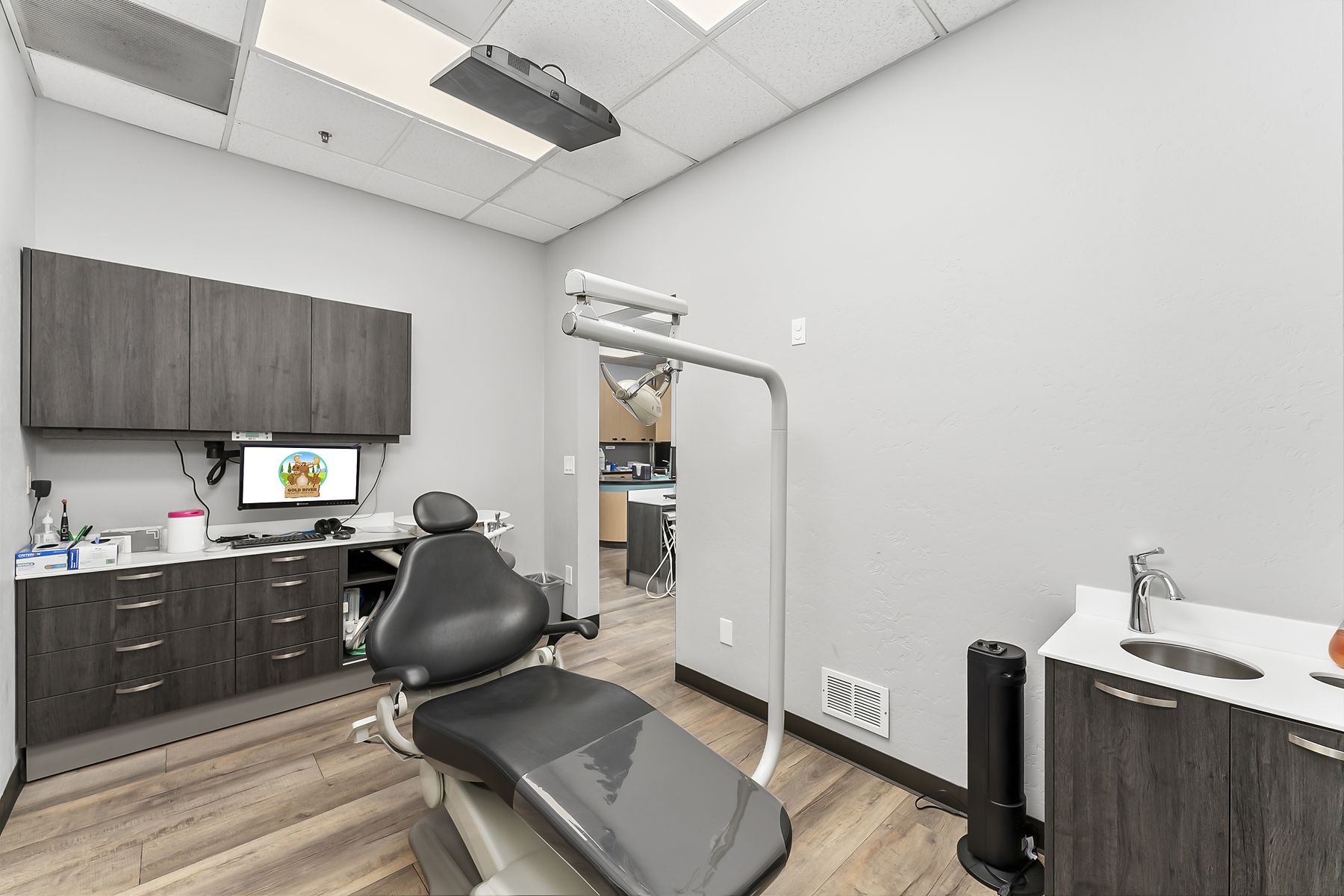
- The child is greeted and shown the nitrous mask. We let them touch it, smell it (the gas has a slightly sweet smell), and choose a flavor (we have several scented options).
- The mask is placed gently on the nose. The child breathes normally through the nose.
- Over two to three minutes, the nitrous concentration is gradually increased to the target level. The child begins to feel a warm, floating, relaxed sensation.
- The dental procedure begins. The child remains awake, responsive, and able to talk or signal if needed. Local anesthetic for restorative work is given as usual.
- After the procedure, the gas mixture is switched to pure oxygen for several minutes. The nitrous clears from the system quickly during this oxygen washout.
- The child sits up, the mask is removed, and within five minutes the child feels normal. They can stand, walk, and leave the office without restriction.
The safety record of pediatric nitrous oxide
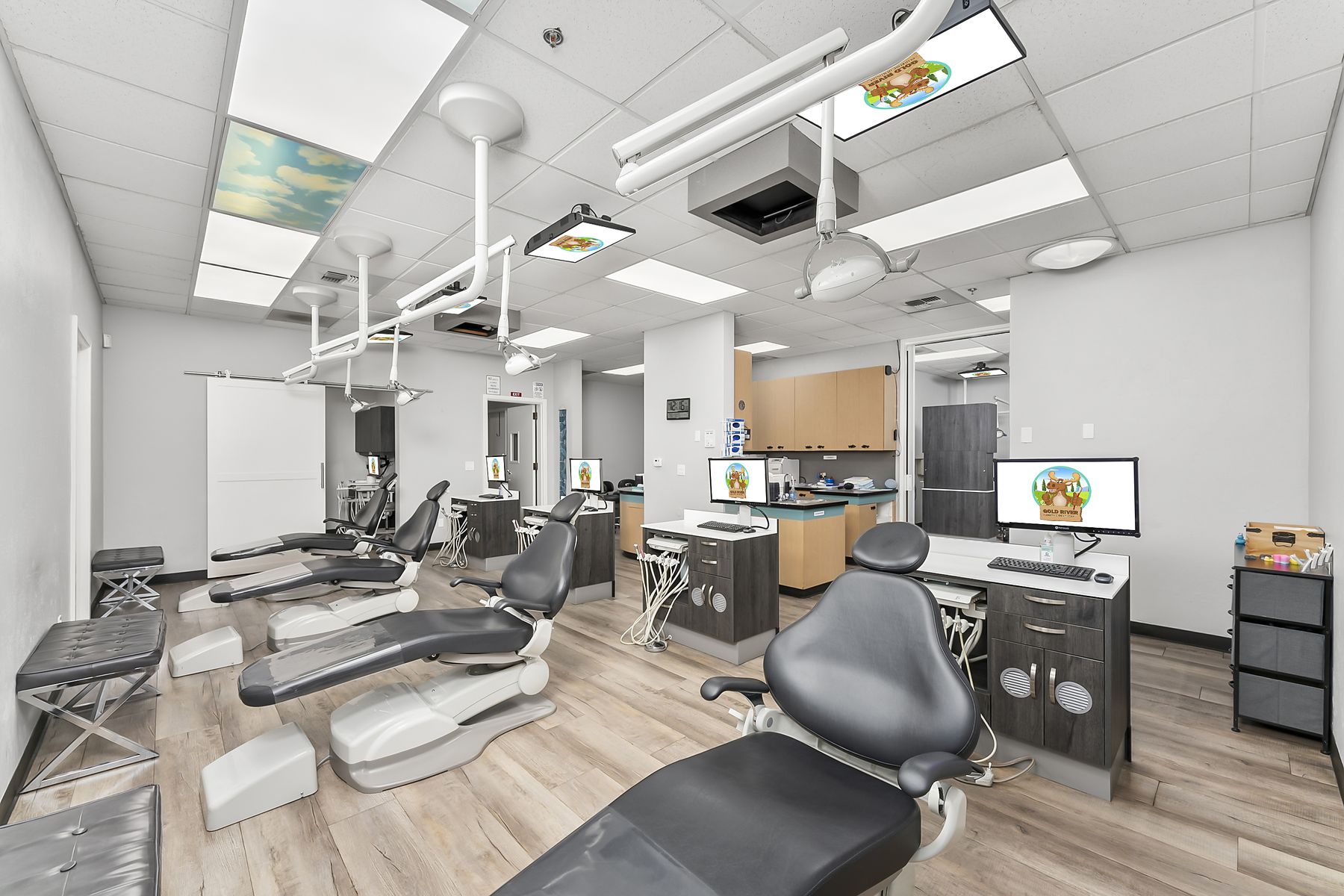
Nitrous oxide has one of the longest safety records of any sedative in clinical use. The American Academy of Pediatric Dentistry has supported its use for decades, with established guidelines for pediatric administration. The risk profile is minimal when delivered by trained providers with appropriate equipment.
The most common side effects are mild and short-lived: occasional nausea (rare with proper concentration management), light-headedness during induction, and the slight giddy or giggly affect that gave the gas its nickname. These resolve within minutes of switching to pure oxygen.
Specific safety practices we follow include continuous monitoring during administration, calibrated equipment, oxygen-fail-safe systems on the delivery machine, and operator training in pediatric sedation protocols.
The only commonly cited contraindications are first-trimester pregnancy in the operator (a workplace safety issue, not patient safety), severe respiratory infection, recent middle ear surgery, and certain other specific medical conditions. We screen at every visit.
Nitrous oxide questions parents ask
Will my child be asleep with nitrous?
No. Nitrous keeps the child awake, responsive, and able to follow instructions. It just takes the edge off anxiety.
How long do the effects last?
A few minutes after the mask is removed. Children are typically back to normal within five minutes of the procedure ending.
Is nitrous oxide safe for kids?
Yes. It has been used in pediatric dentistry for decades and has a strong safety record when delivered by trained providers.
Will my child remember the procedure?
Usually yes. Nitrous causes mild relaxation but does not typically produce amnesia.
Can my child eat before a nitrous appointment?
Light meals are fine. We recommend avoiding a heavy meal in the hour before the appointment to reduce the chance of nausea.
Can my child go back to school after?
Yes. Nitrous wears off quickly and there are no lingering effects. Many parents schedule nitrous appointments and return their child to school the same day.
My child needs more than nitrous can provide. What then?
For severe anxiety, complex multi-tooth procedures, or special-needs patients, IV sedation is the next step. We discuss the decision at the visit.
Anxious about an upcoming procedure?
Nitrous oxide takes the edge off without disrupting your day. Call (916) 638-8778 to discuss whether it is right for your child.