
Digital x-rays: low radiation, high information
Modern digital sensors deliver up to ninety percent less radiation than the film-based x-rays of a generation ago. The information they provide, cavities between teeth, the development of permanent teeth, and signs of orthodontic concerns, is essential for catching problems early.
The information x-rays provide
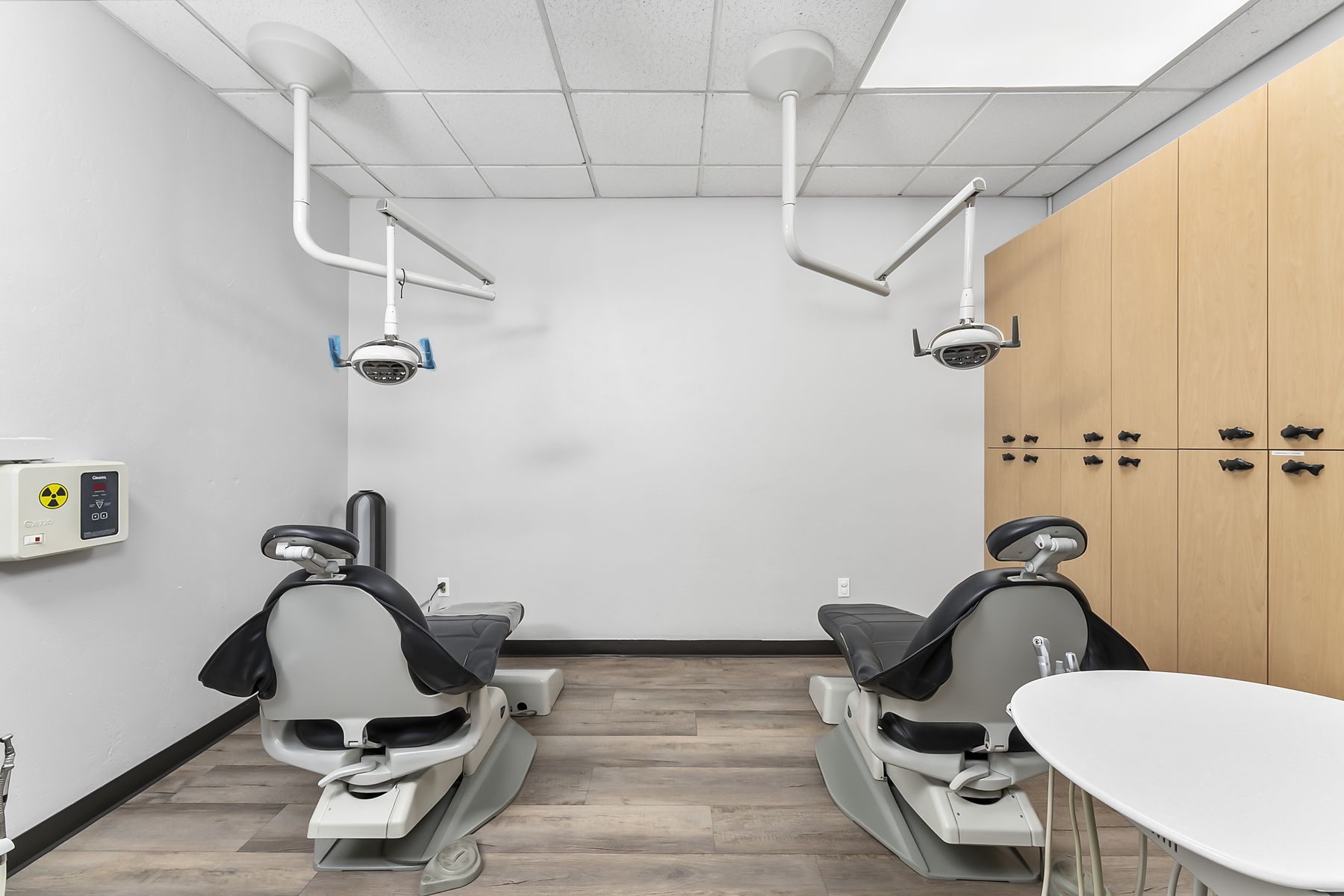
A visual exam of a child's mouth shows the surfaces a clinician can see. It does not show what is between the teeth, what is below the gumline, or what is happening inside the developing jaw. For all of those, x-rays are essential.
The most common pediatric x-rays are bitewing x-rays, which show the back teeth from the crowns down to the supporting bone. These are how we find cavities between the teeth, which are invisible to a visual exam until they have progressed substantially. Catching a between-teeth cavity early means a small filling instead of a large one, or in some cases avoiding restorative work entirely if remineralization can reverse the early lesion.
Panoramic x-rays show the entire upper and lower jaw including unerupted teeth, the temporomandibular joints, and the developing maxillary sinuses. These are taken less frequently (typically every two to three years) and let us monitor permanent tooth development, identify missing or extra permanent teeth, screen for impacted canines or wisdom teeth, and evaluate jaw development.
Periapical x-rays show a single tooth from the crown to the root tip. We use these when we need detailed information about a specific tooth, typically before a procedure like a pulpotomy or extraction.
Radiation exposure from pediatric x-rays
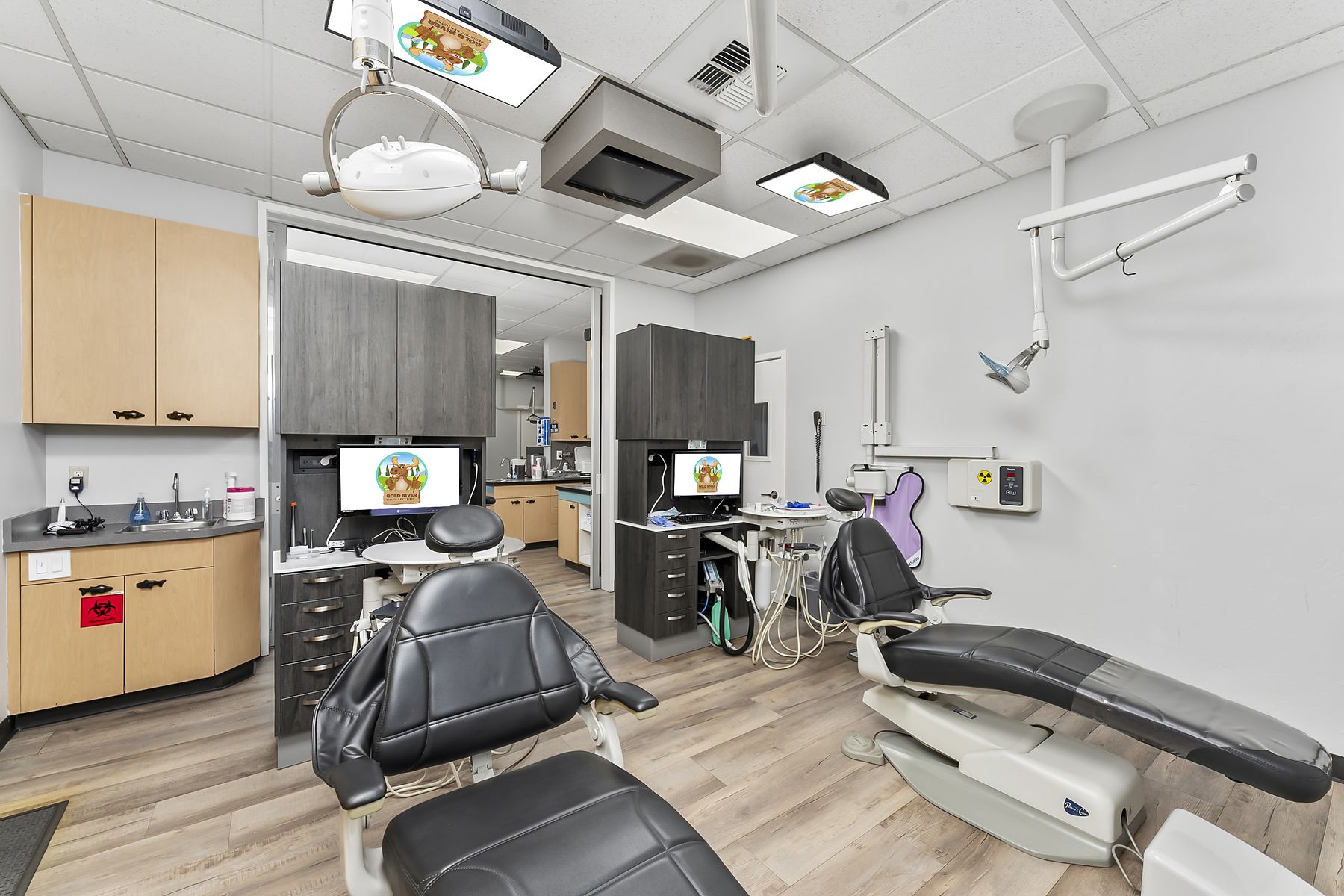
Modern digital x-ray sensors require dramatically less radiation than the film-based systems used a generation ago. A single bitewing x-ray delivers about 0.005 millisieverts of radiation, which is comparable to about a day of natural background radiation exposure or a short flight at altitude.
We minimize exposure further with three practices. First, we only take x-rays when the diagnostic information is needed, not on a fixed schedule applied to every patient. The American Academy of Pediatric Dentistry guidelines recommend frequency based on individual cavity risk and developmental stage. Second, we use a lead apron with a thyroid collar on every pediatric x-ray to shield the body and especially the thyroid gland. Third, we use the smallest sensors and lowest-radiation settings appropriate for the diagnostic question.
For low-cavity-risk children, x-rays may be appropriate every twenty-four months. For high-risk children, every six to twelve months. For children mid-treatment for restorative or orthodontic work, more frequently as needed.
How we make x-rays as easy as possible
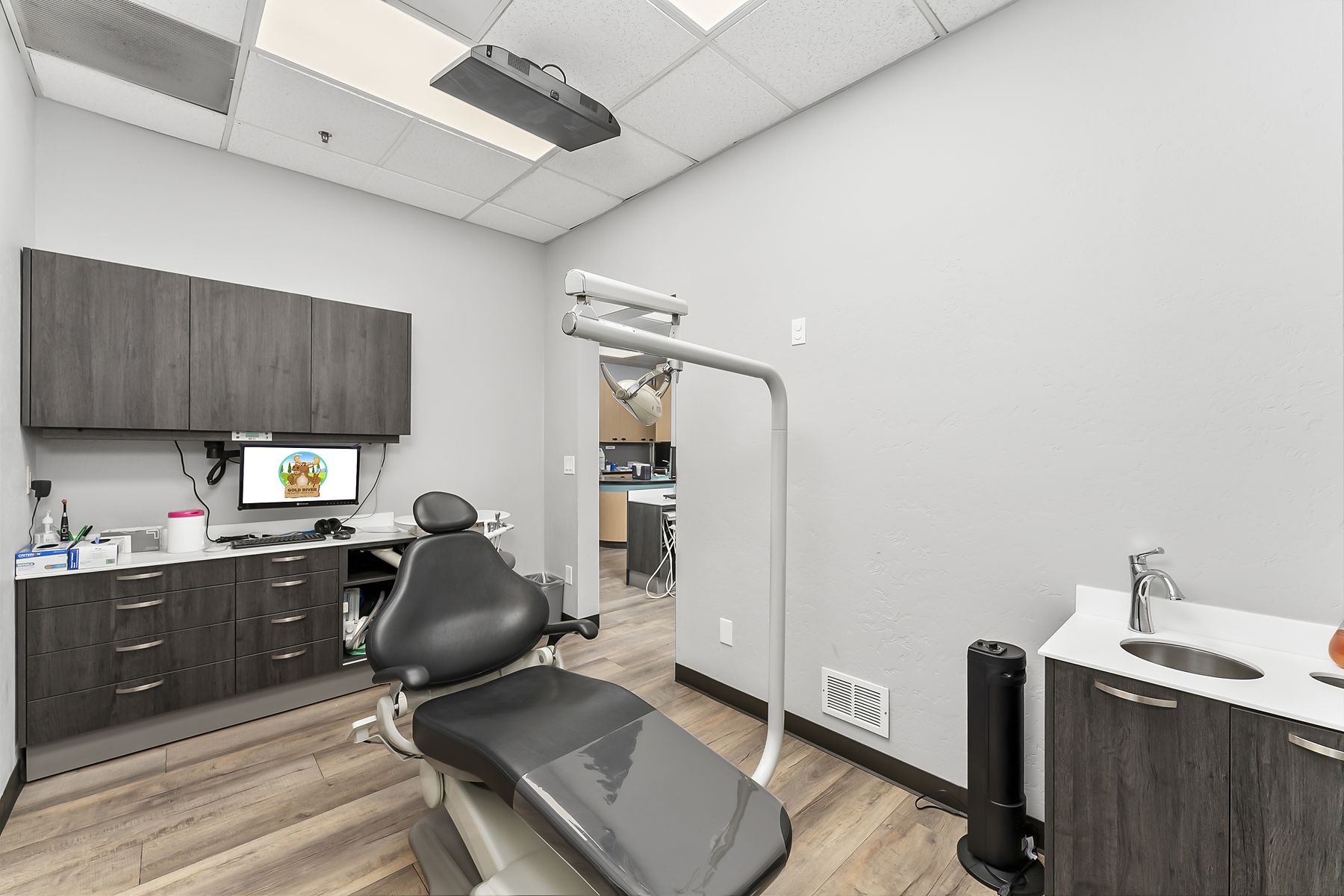
For a young child, the x-ray procedure can feel awkward. The sensor goes in the mouth, the child has to hold still for a few seconds, and the cone of the x-ray machine moves close to the face. We use several approaches to make this easier.
For young children, we use the smallest sensor sizes available. We let the child practice biting on a finger or a clean sensor before turning the machine on. We use age-appropriate language to explain what is happening. For children with strong gag reflexes, sensor placement may need to be adjusted, or we may use alternative imaging techniques.
For very young children or special-needs children who cannot tolerate the standard sensor placement, we sometimes use a panoramic x-ray instead, which does not require anything in the mouth. The trade-off is less detailed information about between-teeth cavities.
X-ray questions parents ask
How often will my child need x-rays?
It depends on cavity risk. Low-risk children may need x-rays every twenty-four months. High-risk children may need them every six to twelve months. We follow American Academy of Pediatric Dentistry guidelines.
Are dental x-rays safe for kids?
Yes when used appropriately. Modern digital x-rays deliver very low radiation doses, especially with lead aprons and thyroid collars. The diagnostic value is substantially greater than the small radiation exposure.
My child gags when something goes in their mouth. Can you still do x-rays?
Often yes, with adjusted technique. For some children, a panoramic x-ray (which does not require anything in the mouth) is a workable alternative.
How does digital x-ray differ from film x-ray?
Digital sensors require dramatically less radiation, the image is available on a screen immediately, and the image quality and zoom capability are better.
Will my insurance cover x-rays?
Most plans cover routine pediatric x-rays at the recommended frequency. Call (916) 638-8778 with your specific plan.
My child has had a lot of dental work this year. Is multiple x-ray exposures still safe?
For mid-treatment children, additional x-rays may be needed and the cumulative exposure remains low. We always weigh diagnostic need against radiation exposure individually.
Schedule your child's next checkup
Call (916) 638-8778 or book online. We follow American Academy of Pediatric Dentistry guidelines on x-ray frequency.