Special needs pediatric dentistry, 1.5 miles from Rancho Cordova
For children on the autism spectrum, with sensory differences, ADHD, or developmental and medical complexity, we offer the desensitization, accommodation, and (when needed) IV sedation that makes good dental care possible. Just minutes away.
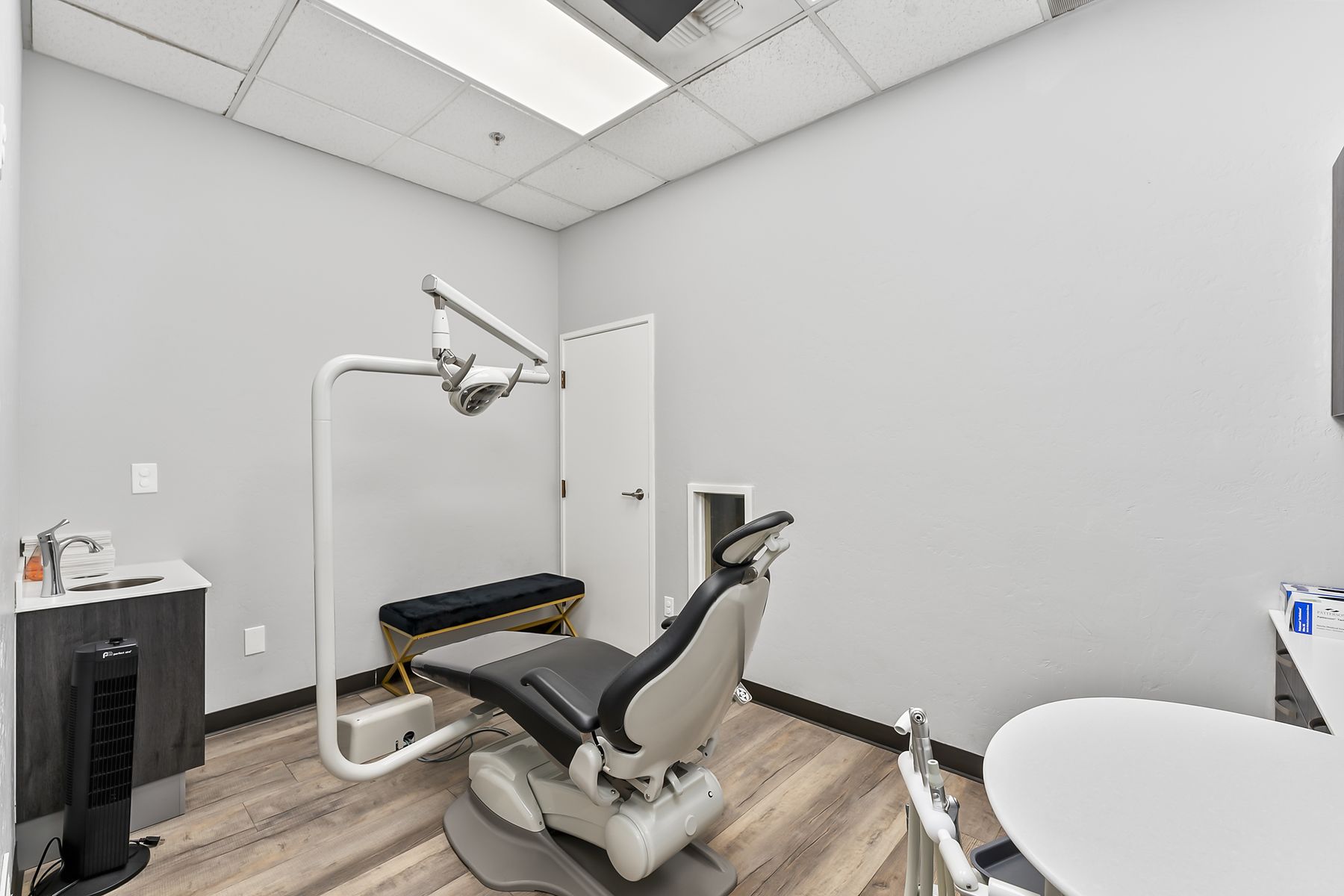
What special-needs dentistry looks like at our office
Special-needs pediatric dentistry is one of our core specialties. We approach each child individually rather than applying a single protocol, with sensory accommodations, behavioral approaches, and IV sedation when appropriate. For full clinical context, see our special needs specialty page.
What we see most from Rancho Cordova special-needs families
Rancho Cordova has a strong family-services infrastructure for special-needs children, with active autism support networks, regional center connections through Alta California Regional Center, and a Folsom Cordova Unified School District special-education program that supports a meaningful population of students with diverse needs. Our Rancho Cordova special-needs case load reflects this.
The most common Rancho Cordova special-needs case profiles we see:
Children on the autism spectrum across the full range of presentations. Some children come in cooperative and tolerate awake treatment with sensory accommodations. Others require multiple desensitization visits before any treatment. Others require IV sedation for any procedure beyond a brief exam. We work with the family and the child's behavioral therapist or developmental pediatrician on the right approach.
Children with ADHD whose attention regulation makes a sustained dental procedure difficult. Often these children do well with shorter visits, behavioral approaches, and occasionally nitrous oxide for longer procedures.
Children with sensory processing differences who tolerate the dental environment poorly. Reduced lighting, weighted blankets, headphones, and procedure pacing make a substantial difference.
Children with medical complexity (cardiac conditions, immune compromise, developmental disabilities of various etiologies) where dental care needs to be coordinated with the child's medical team. We coordinate with the family's pediatrician and specialists.
Coordinating with the providers your family already works with
Rancho Cordova families navigating special-needs dental care typically work with several professionals: the family's pediatrician, often a developmental pediatrician at UC Davis Medical Center or Sutter, behavioral therapists or ABA providers, and the school's special-education team for older children. We coordinate as appropriate.
For families connected to Alta California Regional Center, dental care is often part of the broader service plan. Our office is set up to communicate with regional center coordinators when relevant.
For families using Folsom Cordova Unified school resources, we coordinate scheduling around school calendars and can communicate with school nurses or special-education staff when relevant.
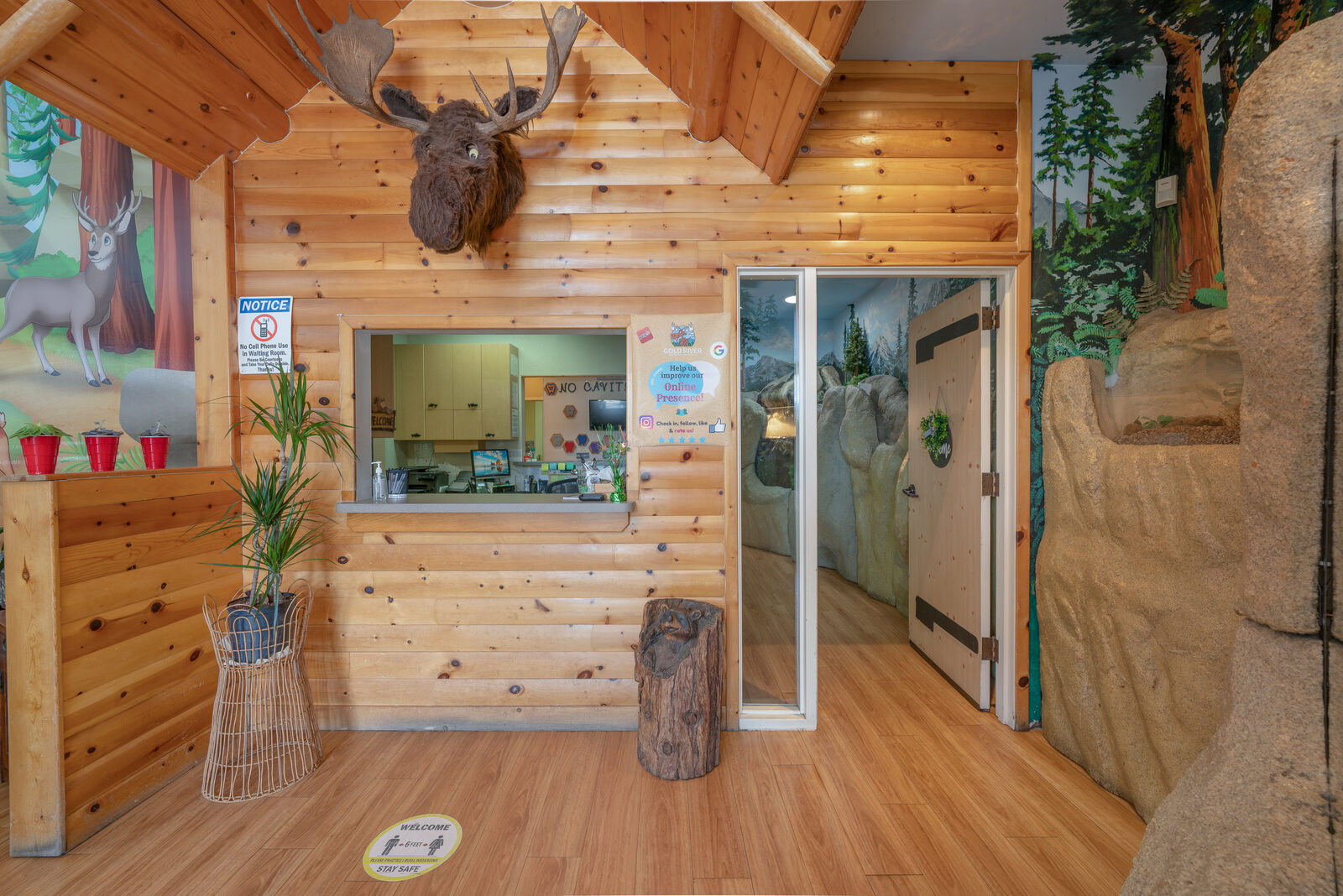
Why proximity matters most for special-needs cases
For Rancho Cordova special-needs families, the close proximity to our office is one of the most important practical advantages. Special-needs dental care often requires multiple visits: a getting-to-know-you visit, desensitization visits, the actual treatment, and follow-up. The total visit count over a year for a complex case can be five or six. A drive of three to seven minutes makes that schedule feasible. A drive of twenty-five minutes makes it harder. See our Rancho Cordova location page for more on how the proximity helps families keep care on schedule.
Our approach starts with a consultation visit where the parent describes the child's specific profile, prior dental experiences, sensory triggers, communication preferences, and behavioral patterns. The first treatment visit is built on that information.
For the dental care itself, we offer multiple pathways:
- Behavioral support without sedation (tell-show-do, systematic desensitization, parental presence, weighted blankets, dimmed lighting, headphones)
- Nitrous oxide (laughing gas) for moderate situations
- IV sedation by a board-certified dental anesthesiologist for situations where awake treatment is not feasible
Rancho Cordova special-needs questions
My child has autism. What should I expect at the first visit?
A consultation visit, often without any actual procedure. We meet your child, learn about their preferences and triggers, and begin building familiarity with the office. Future visits build on that foundation.
How close is the office on visits I need to make multiple times?
1.5 miles from Rancho Cordova City Hall, three to seven minutes from most neighborhoods. Important for special-needs cases that often require multiple visits.
My child is in the FCUSD special-education program. Will you coordinate?
Yes. We coordinate with school nurses, special-education staff, and developmental pediatricians as appropriate.
My child has ADHD and cannot sit still for long. Can you help?
Yes. Shorter appointments, behavioral approaches tailored to attention regulation, and (for longer procedures) nitrous oxide or IV sedation when needed.
My child has had bad dental experiences and refuses to go. How do you handle that?
Start with desensitization visits where no procedure happens. Build trust over multiple short visits. For acute treatment needs, IV sedation may be the right answer for the immediate need while continuing to build the long-term relationship for future awake care.
Special-needs dental care for your Rancho Cordova child?
Call (916) 638-8778 to schedule a consultation visit. We start with conversation, not procedure.